
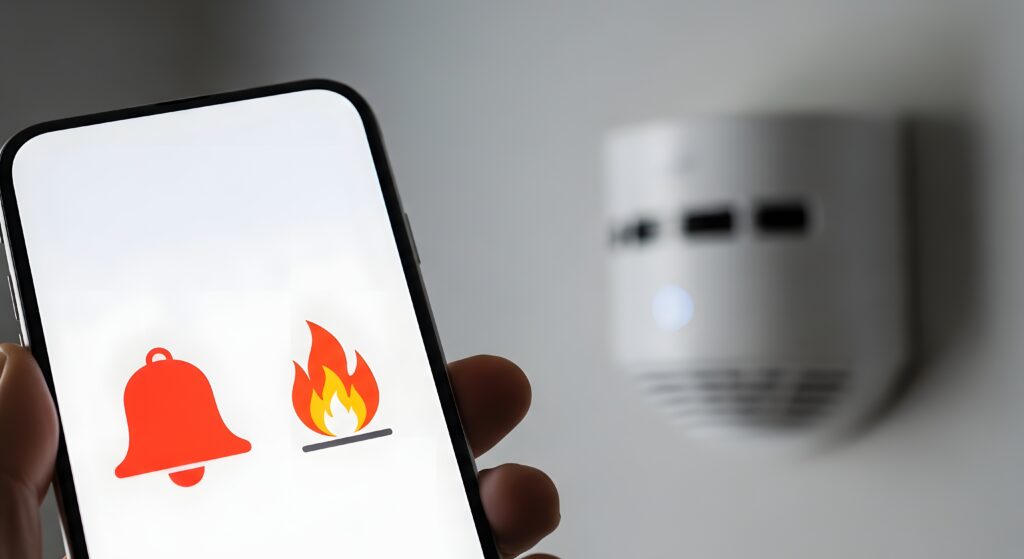
A fire alarm system works because its parts communicate with each other in a set sequence. When one device detects smoke or heat, the panel processes that signal and triggers alarms throughout the building. Commercial property owners in Columbus and Cincinnati, Ohio rely on this coordination to protect occupants and meet local fire code requirements. This article breaks down each major component and explains how they function as one connected fire detection and fire alarm system.
Key Takeaways
- A commercial fire alarm system relies on initiating devices, the control panel, and notification appliances working together.
- Initiating devices detect a condition and send a signal to the fire alarm control panel for processing.
- Addressable systems identify the individual device that sends a signal, while conventional systems identify the affected zone.
- Monitoring and backup power support the system’s ability to communicate and remain operational.
How Fire Alarm Components Work Together During an Emergency
A commercial fire alarm system functions as a chain of communication between detection, processing, and notification. Each component has a specific job, but the system only works when every part responds correctly in sequence. Understanding this chain helps building owners recognize why maintenance and proper installation matter.
Initiating Devices Detect the Presence of Fire or Smoke
Initiating devices include smoke detectors, heat detectors, and pull stations positioned throughout a building. These devices sense a hazard and send an electrical signal back to the control panel. Placement matters, since detectors near kitchens or mechanical equipment require different sensitivity settings than those in open office space. A pull station fire alarm system adds a manual trigger option for occupants who spot fire before automatic detection occurs.
The Fire Alarm Control Panel Is the System’s Command Center
The fire alarm control panel, often called the FACP, receives signals from every connected device in the building. It processes incoming data and decides which notification appliances to activate. Commercial buildings in Columbus and Cincinnati typically house the panel in a mechanical room or main entrance area for easy technician access. Without a functioning panel, initiating devices cannot communicate with the rest of the fire alarm system.
Notification Appliances Alert Occupants to Evacuate
Once the panel confirms an alarm condition, notification appliances such as horns, strobes, and speakers activate throughout the building. These devices must be audible and visible in every occupied area, including restrooms and stairwells. Ohio commercial code requires notification coverage that accounts for background noise levels common in warehouses and production facilities. Consistent appliance spacing prevents dead zones where occupants might miss the alert.
Monitoring Connects the System to Emergency Responders
A monitored fire alarm system transmits signals to a monitoring center when an alarm activates or a fault occurs. That center then contacts local fire departments and designated building contacts. UL fire alarm monitoring adds a layer of accountability, since the monitoring provider verifies signal transmission and response. Buildings without active monitoring rely entirely on occupants to notice and report an alarm.
Power Supply and Backup Battery Keep the System Operational
Every fire alarm system requires a primary power source along with a backup battery supply. If electrical power fails during a storm or outage, the battery maintains system function for a specified period. Ohio’s seasonal weather, including summer storms, makes backup power a practical consideration rather than an optional feature. Panels typically display a trouble signal when battery levels drop below acceptable thresholds. Industry standards such as the NFPA backup power requirements provide guidance on how long systems must remain operational during outages.
Addressable vs. Conventional Fire Alarm Systems
Addressable and conventional fire alarm systems use the same basic detection and notification process, but they differ in how initiating devices communicate with the control panel. An addressable system can identify the individual device that sends a signal, while a conventional system identifies the zone where the signal originated. This difference affects how much information facility teams and technicians have when locating an alarm or investigating a system condition.
How Addressable Fire Alarm Systems Identify Individual Devices
In an addressable fire alarm system, each connected initiating device has a unique address that allows the control panel to identify where a signal originated. If a smoke detector, heat detector, or pull station activates, the panel can indicate the specific device associated with the alarm. This device-level identification can make it easier to locate the source of a signal in larger commercial buildings with many detection points.
How Conventional Fire Alarm Systems Identify Zones
A conventional fire alarm system groups multiple initiating devices into zones rather than identifying each device individually. When activated, the control panel shows the affected zone, like a floor or area, but not the specific detector. Facility personnel or technicians must then locate the activated device within that determine where the signal originated.
What the Difference Means for Commercial Buildings
For commercial buildings, the main practical difference between addressable and conventional systems is the level of information available at the control panel. Addressable systems identify each device, locating signals efficiently in large buildings, while conventional systems show only zone information. The appropriate system type depends on factors such as the building, its fire protection requirements, and the existing fire alarm infrastructure.
Keep Your Commercial Fire Alarm System Operating Properly
A fire alarm system only protects a building when every component is tested, connected, and properly maintained. Elite Fire Services works with commercial property owners across Columbus and the greater Cincinnati, Ohio area on fire alarm system installation, repair, and ongoing service. If your building’s system needs an inspection or an upgrade, contact us to talk through your next steps.
Frequently Asked Questions
What are the main components of a commercial fire alarm system?
The main components include initiating devices, a fire alarm control panel, notification appliances, monitoring connections, and primary and backup power. Together, these components detect potential fire conditions, process signals, alert occupants, and support system operation.
What does a fire alarm control panel do?
The fire alarm control panel receives signals from connected initiating devices and processes the information. When an alarm condition occurs, the panel controls the system response, including activating horns, strobes, speakers, and other connected notification appliances.
What is the difference between an addressable and conventional fire alarm system?
An addressable fire alarm system identifies the individual device that sends a signal. A conventional system groups devices into zones, so the control panel identifies the affected zone rather than the specific smoke detector, heat detector, or pull station.
What are initiating devices in a fire alarm system?
Initiating devices detect potential fire conditions or allow occupants to manually activate an alarm. Common examples include smoke detectors, heat detectors, and manual pull stations. When activated, these devices send a signal to the fire alarm control panel.